
NEWS TAG
brand
Best Crawl Space Insulation Types & Solutions 2026
A poorly insulated crawl space can quietly drain your wallet, invite mold, and turn your floors into ice rinks during winter. If you've been wondering which insulation method actually works for the space beneath your home, this guide walks you through the top options available in 2026, along with the pros and cons of each solution.
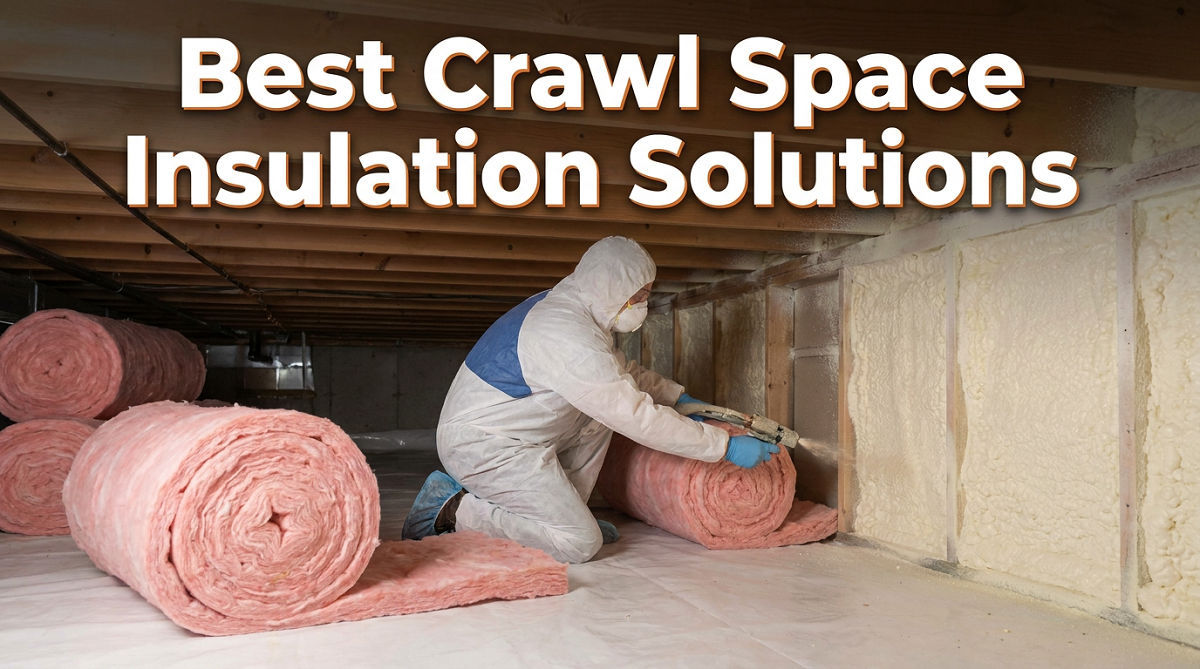
What Is Crawl Space Insulation and Why Does It Matter?
Crawl space insulation refers to the materials installed beneath your home to control temperature, block air movement, and protect your living space from the conditions below. Since a large portion of the air circulating in your home originates from the crawl space, what happens down there directly affects your indoor air quality, energy bills, and structural health.
A properly insulated crawl space helps prevent cold floors, frozen pipes, mold growth, and rodent infestations. It also reduces strain on your HVAC system, which translates into lower monthly utility costs. Below, we'll look at the top crawl space insulation types and solutions for 2026 so you can choose the right fit for your home.
Best Crawl Space Insulation Types & Solutions 2026
1. Traditional R-19 Fiberglass Batt Insulation
Fiberglass batts installed between the floor joists have been the go-to method for decades. The material is inexpensive, widely available at hardware stores, and easy to install.
Pros:
Keeps floors warmer in winter
Low upfront cost
Readily available
Cons:
Acts like a sponge, soaking up moisture from damp crawl spaces or sweating ducts
Falls down once saturated and loses R-value
Becomes a perfect nesting site for rats, mice, and squirrels
Hides plumbing leaks, termite damage, and framing issues from view
Encourages mold and mildew growth when wet
Fiberglass works best only in crawl spaces that remain dry, conditioned, and pest-free year-round. For most homes, the risks tend to outweigh the savings.
2. Closed-Cell Spray Foam on Foundation Walls
Closed-cell spray foam has become a popular choice for sealed or encapsulated crawl spaces. Just one inch of this product delivers an R-value comparable to traditional floor insulation while creating a continuous air barrier on the foundation walls.
Pros:
Forms a tight thermal and air seal
Allows the floor framing to breathe and stay visible for inspections
Works hand-in-hand with a dehumidifier in encapsulated crawl spaces
Doesn't trap moisture against the subfloor
Cons:
Higher upfront cost than fiberglass
Some formulations may release odors during curing
Requires a six-inch termite inspection gap at the top of the foundation wall
This approach pairs well with a sealed crawl space because the conditioned area becomes part of the building envelope, keeping ductwork, pipes, and mechanicals at a stable temperature.
3. Rigid Foam Board Insulation
Foam board insulation is another smart option for sealed crawl spaces, especially homes with CMU block, brick, or poured concrete foundation walls. Boards are typically two inches thick with a reflective foil facing that bounces heat back into the space.
Pros:
Long-lasting once installed on the walls
Reflective barrier improves heat retention when paired with a dehumidifier
Doesn't absorb water like fiberglass
Resists pest nesting
Cons:
Requires a properly sealed crawl space to perform best
Installation takes more labor than spraying foam
Needs to be cut precisely to fit irregular wall surfaces
Many contractors install foam board after fungal treatment of the floor joists, since removing the old fiberglass gives a clean canvas for both the treatment and the new insulation.
4. Insulated Vapor Barrier Systems
A newer category gaining traction in 2026 is the all-in-one insulated vapor barrier. These products combine a moisture barrier with a thin layer of reflective insulation, applied directly to foundation walls and floors.
Pros:
Two-in-one system simplifies installation
Provides moisture control plus modest thermal performance
Clean, finished look in encapsulated crawl spaces
Cons:
R-value is lower than spray foam or thick foam board
Best used as part of a complete encapsulation system
5. Extreme Block Insulation (Rigid Foam Block Systems)
Designed specifically for crawl space environments, extreme block insulation has emerged as a game-changing option. Unlike fiberglass, it does not absorb water, and unlike some sprayed products, it holds its shape and R-value for the long term.
Pros:
Waterproof and rot-resistant
Maintains thermal performance for decades
Resistant to pests and mold
Lowers heating and cooling costs by reducing HVAC workload
Cons:
Requires professional installation for best results
Higher initial investment
Should You Insulate the Walls or the Ceiling?
This decision depends entirely on what's inside your crawl space:
Insulate the walls if you have ductwork, pipes, or any mechanicals running through the crawl space. Spraying or boarding the walls keeps everything at a stable temperature inside the conditioned envelope.
Insulate the ceiling (subfloor) if the crawl space is empty aside from the structure itself. This cuts the crawl space off from the rest of the home so cold floors and drafts don't reach your living space.
Insulation vs. Encapsulation: You Likely Need Both
It's worth clearing up a common mix-up. Encapsulation seals out moisture using a heavy liner across the floor and walls, often paired with a dehumidifier. Insulation handles temperature and air movement. They serve different purposes, and a healthy crawl space typically benefits from both working together.
A vapor barrier alone is not the same as encapsulation. A vapor barrier blocks ground moisture, while full encapsulation seals the entire space against water leaks and humidity.
Common Crawl Space Insulation Mistakes to Avoid
A few pitfalls show up again and again in problem crawl spaces:
Adding foam board over wet fiberglass. This traps moisture against the subfloor and leads to wood rot.
Skipping the termite inspection gap. Pest control technicians need a six-inch strip of bare foundation wall to check for termite activity.
Believing the myth that wall insulation damages block walls. There is no documented evidence that foam board or plastic on cinder block walls causes structural harm. Basement waterproofing companies have done it for decades.
Hiding leaks behind insulation. Subfloor insulation can mask plumbing drips and condensation leaks until major damage has already occurred.
Choosing the right crawl space insulation in 2026 comes down to your home's specific conditions, the presence of mechanicals, and your moisture situation. Fiberglass remains the cheapest option but carries real risks. Closed-cell spray foam, rigid foam board, and newer extreme block systems offer far better long-term performance, especially when paired with a sealed and encapsulated crawl space.
A dry, well-insulated crawl space means warmer floors, cleaner indoor air, lower energy bills, and a longer-lasting home. If you're planning an upgrade, talk to a qualified crawl space contractor who can assess your specific setup and recommend the right combination of solutions.