
NEWS TAG
brand
Top 10 Cheapest Flooring Options & Ideas 2026 | Best Budget Flooring
Choosing the right flooring can induce this major feeling of doubt. With so many options on the market, it's one of the most costly investments you'll make in your home, that you'll make in your home that could make or break your entire aesthetic. Flooring also requires skill to install correctly, which makes it very hard and expensive to replace if you do choose the wrong flooring and live to regret it.
The good news? You don't need to spend a fortune to get a floor that looks great, performs well, and lasts for years. In this blog, we want to help you get the best budget solution with the ten of the most affordable flooring options available in 2026, each suited for different rooms, lifestyles, and skill levels.
Best Budget Flooring in 2026 - Top 10 Cheapest Flooring Options & Ideas
Today's affordable flooring has come a long way. Modern materials offer realistic wood and stone appearances, improved durability, and simpler installation methods that put many projects within reach of a confident DIYer.
When picking a budget floor, there are a few things worth keeping in mind. The cost per square foot is just one part of the equation, you should also factor in how long the floor will last, how much maintenance it demands, and which rooms it's actually suited for. A $1 floor that needs to be replaced in five years may end up costing more than a $4 floor that lasts twenty.
Each of the following options is ranked and described with its price range, best-use areas, durability, and any trade-offs you should be aware of.
1. Peel and Stick Vinyl Tiles
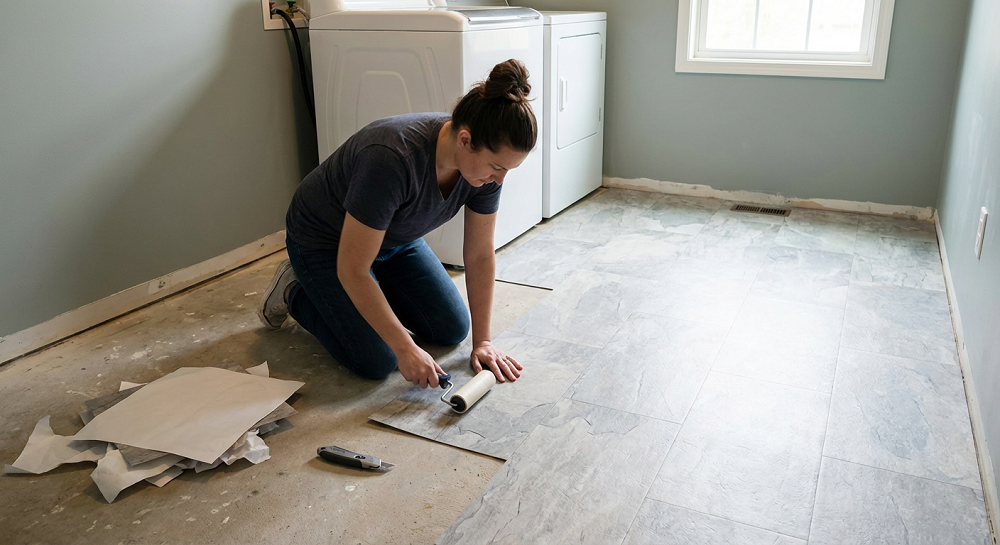
Price Range: $0.70 – $2 per square foot
Peel and stick vinyl tiles are the lowest-priced option on this list and the simplest to install. Clean the subfloor, remove the backing, and press the tiles into place. Most DIYers can finish a small room in two to four hours with nothing more than a sharp knife and a rented roller.
Where They Work Best - These tiles are ideal for rentals, laundry rooms, or any space where a quick, temporary refresh is needed. They come in a variety of designs, including wood and stone looks, so they can blend into almost any decor.
What to Watch For - Peel and stick tiles demand a perfectly smooth, dry surface. On porous concrete, skipping a primer can lead to adhesive failure and tiles lifting within months. Expect a lifespan of about 5 to 10 years under light foot traffic. If a tile gets damaged, you can simply peel it up and stick down a new one, no need to redo the whole floor. For speed and savings, they're hard to beat. For long-term durability, however, you'll want to consider other options further down this list.
2. Painted Plywood Floors
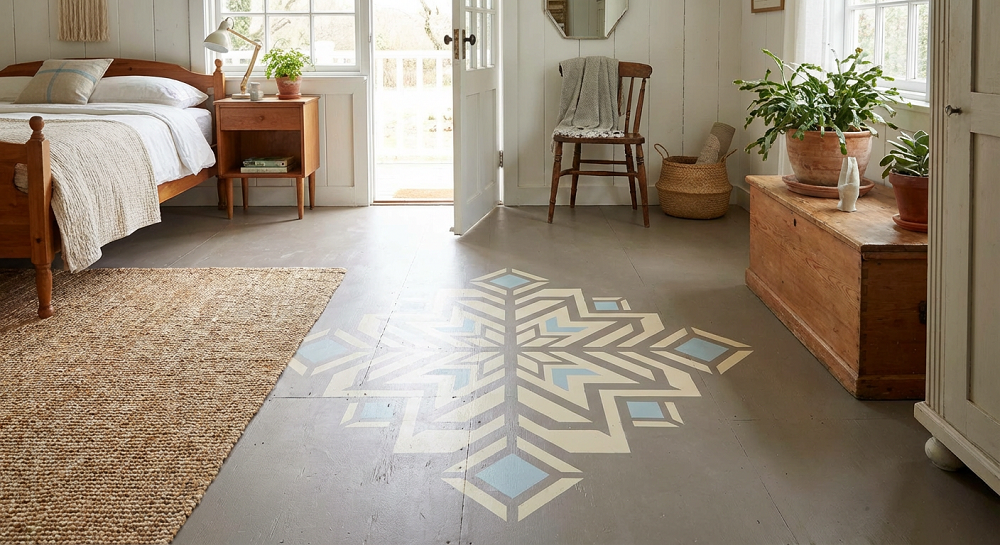
Price Range: Very low, primarily the cost of paint and sealant
If you already have plywood subfloors, painting them can turn a raw surface into a surprisingly attractive floor. This option is about as budget-friendly as it gets and allows for a wide range of creative finishes, from solid colors to geometric patterns and stenciled designs.
Where It Works Best - Painted plywood suits bedrooms, home offices, and low-traffic areas where a unique, casual aesthetic is welcome. It's particularly popular in cottages, cabins, and homes going for a rustic or bohemian feel.
What to Watch For - Proper preparation is key. Sand the plywood smooth, apply a quality primer, and finish with a durable floor paint and sealant to protect against wear. Without a good topcoat, the paint will chip and wear under regular foot traffic. This floor won't match the longevity or resilience of vinyl or laminate, but for a creative homeowner on a tight budget, it offers a genuinely unique result at minimal cost.
3. Laminate Flooring
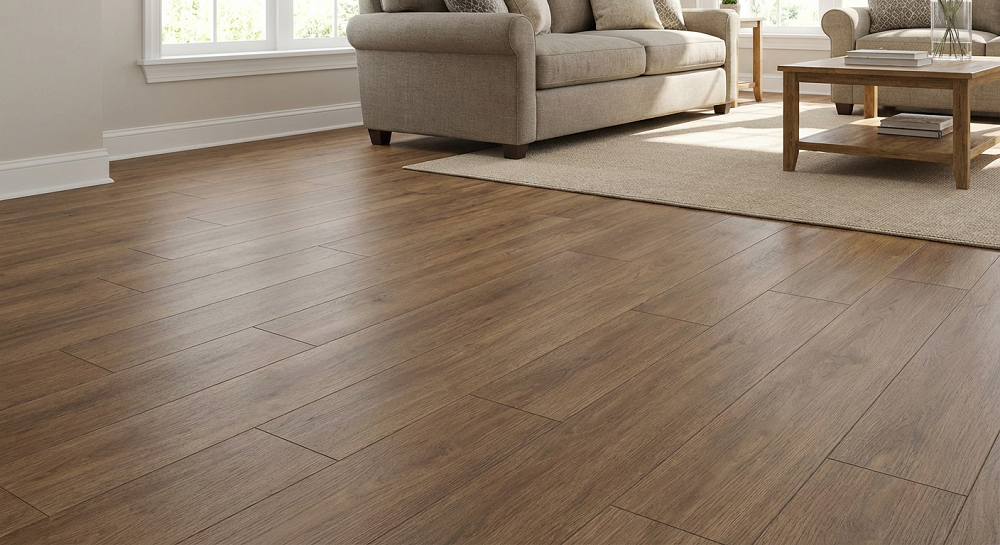
Price Range: $1 – $4 per square foot
Laminate remains one of the fastest ways to get a wood-look floor on a tight budget. It uses a high-density fiberboard core topped with a tough wear layer that resists scratches well. Installation is a breeze thanks to click-lock designs that float over most subfloors — many DIYers can finish a 200-square-foot room in a single afternoon.
Where It Works Best - Laminate performs well in living rooms, bedrooms, hallways, and home offices. For high-traffic areas like hallways or living spaces, go for a 12mm thickness for added solidity and longevity. In a bedroom or office, or if only one or two people live in the household — an 8mm laminate will do just fine and save some money.
What to Watch For - Moisture is the laminate's main enemy. Even a small leak or spill left too long can cause planks to swell or edges to lift, so it should stay out of kitchens, bathrooms, and basements. Expect a lifespan of 10 to 15 years with basic care: sweep regularly and use a dry mop. Never steam clean laminate.
Laminate sets the low-cost baseline for hard surface floors, but its moisture limitations keep it from being the most versatile choice.
4. Vinyl Sheet Flooring
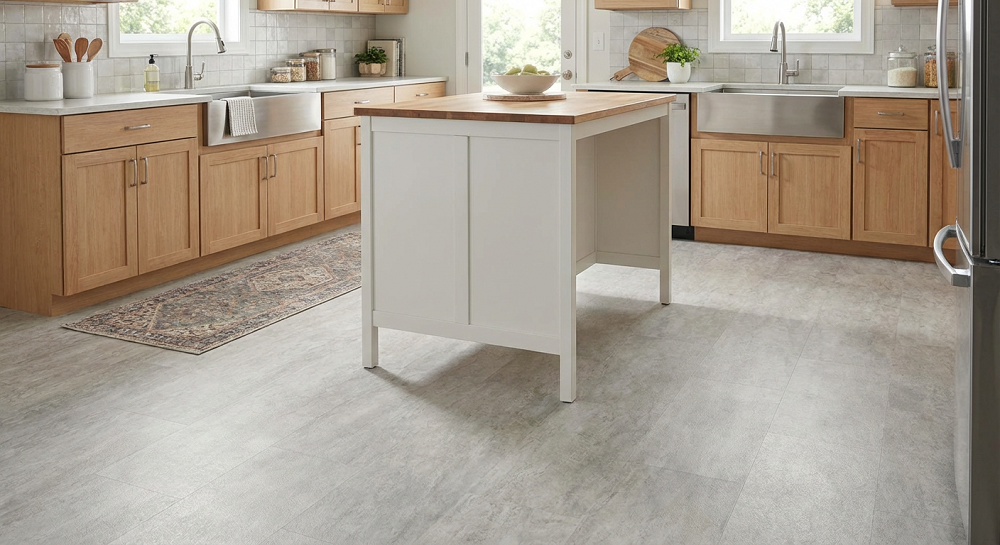
Price Range: $0.50 – $2 per square foot
Vinyl sheet flooring comes in large rolls that can be cut to fit nearly any space. It provides a seamless, waterproof surface with fewer joints than planks or tiles, which means fewer opportunities for moisture to sneak through.
Where It Works Best - This option suits kitchens, bathrooms, laundry rooms, and utility areas. The continuous surface is easy to clean, and the waterproof nature of vinyl sheet handles spills and splashes without issue. It also comes in a wide range of designs, including wood, tile, and stone looks.
What to Watch For - Installation requires some precision when cutting around corners and fixtures, but it's still manageable for a capable DIYer. The floor can feel softer and less premium underfoot compared to rigid-core vinyl planks. Over time, heavy furniture can leave indentations. That said, for pure affordability and water resistance, vinyl sheet flooring is a strong contender for wet areas of the home.
5. Vinyl Plank Flooring (LVP)
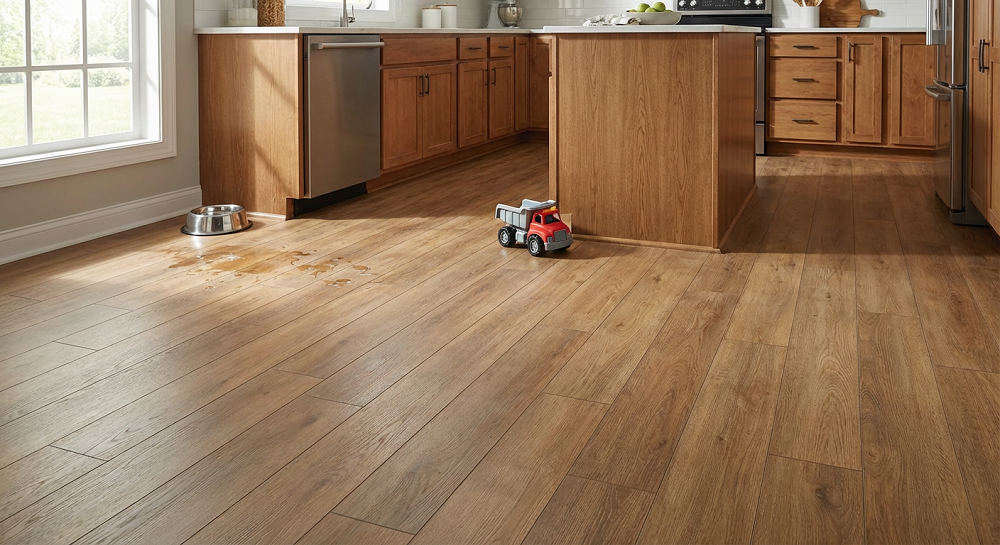
Price Range: $1.50 – $5 per square foot
Vinyl plank flooring, commonly known as LVP, is built with a rigid core, typically SPC (stone plastic composite) or WPC (wood plastic composite). Every plank is 100% waterproof, a claim that holds up even in flooded basements or busy kitchens. This is where LVP pulls decisively ahead of laminate.
Where It Works Best - LVP delivers peace of mind in kitchens, bathrooms, laundry rooms, and basements. Its waterproof construction means moisture won't cause planks to swell, peel, or buckle. It's also a solid pick for living rooms and hallways in homes with children and pets.
What to Watch For - Look for a wear layer of at least 12 mils for lasting scratch protection, especially in homes with kids or animals. The quick click-lock installation saves on labor, but don't skip subfloor preparation; uneven surfaces can lead to popping planks or uneven seams down the road.
With a typical lifespan of 15 to 25 years, LVP offers a strong combination of durability, water resistance, and affordability.
6. Luxury Vinyl Tile (LVT)
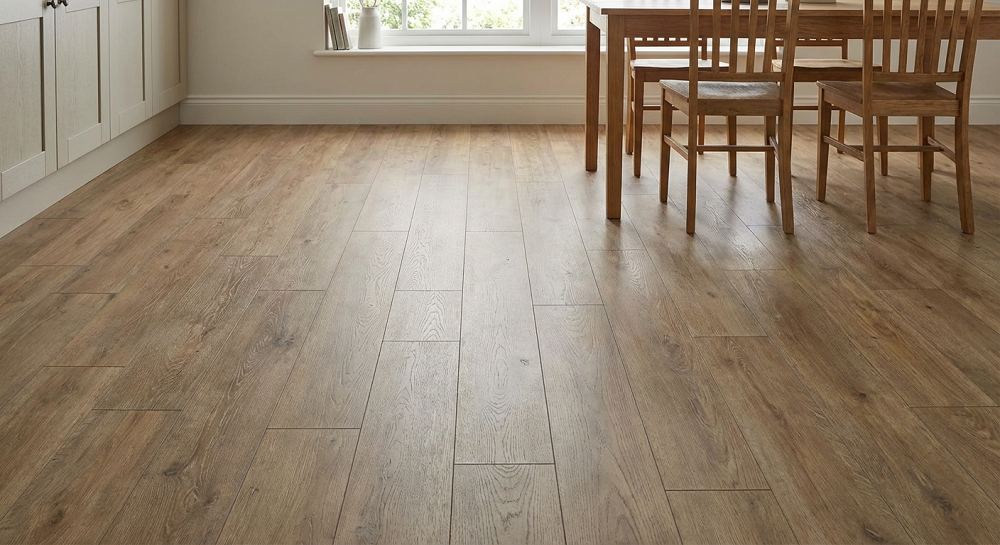
Price Range: $2 – $7 per square foot
LVT is known for its wide style range and its ability to mimic stone, ceramic, or wood with impressive realism. The top layer is embossed to replicate the texture of natural materials, and the best options include groutable edges and surface variations that can fool even a trained eye.
The Shine Factor Matters - One of the biggest things to look out for in any hard surface flooring is the shine level. Anything too glossy will quickly look and feel cheap. The best LVT options like matte-finish oak-effect floors, have a soft, low-sheen surface that reads as luxurious. Pay attention to the tones and variations in the design as well. A repeated pattern with no variation will look artificial.
Where It Works Best - LVT performs well in moisture-heavy areas like entryways, bathrooms, kitchens, and laundry rooms. It's also a strong choice throughout the home when laid in wider planks as a strip wood or herringbone pattern — a look that brings natural flow and character to any room.
What to Watch For - The wear layer, often 12 to 20 mils thick, protects against scratches and stains, keeping the floor looking sharp for 20 years or more. LVT is also highly compatible with underfloor heating, as it distributes heat evenly and can expand and contract without noticeable change. Installation usually involves glue-down application, which adds labor but secures the floor for the long haul.
LVT is a workhorse: durable, waterproof, slim in profile, and available in colors that match nearly any design scheme. Choose a floor with beveled edges along at least two sides of each plank, and it'll look close to real hardwood, but with far less maintenance.
7. Carpet Tiles
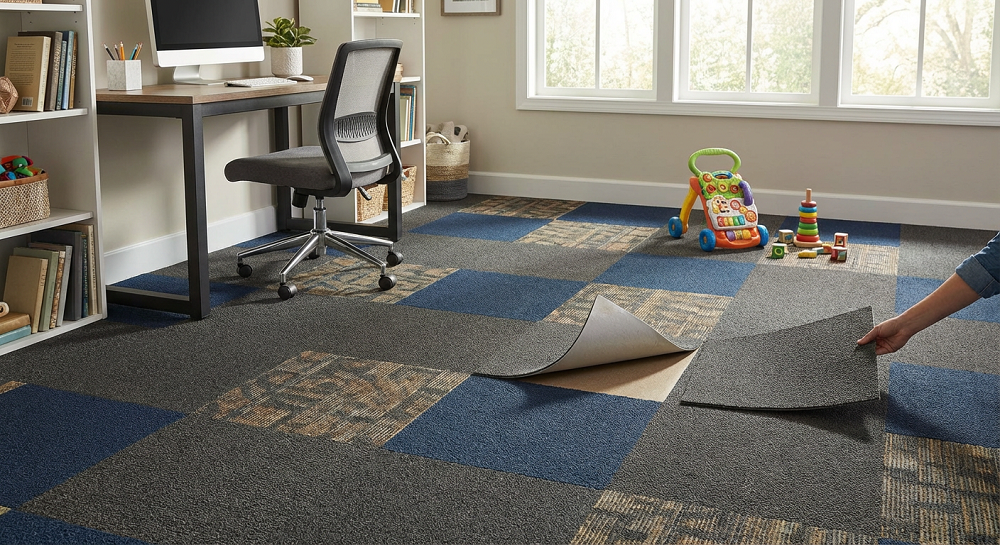
Price Range: $1.50 – $4 per square foot
Carpet tiles earn their spot for one compelling reason: if you spill coffee or track in mud, you can pop out the damaged tile and drop in a fresh one. No need to rip up the whole floor. That modular design is a genuine money-saver over time, especially in busy households.
Where It Works Best - Carpet tiles are a great fit for bedrooms, home offices, playrooms, and basements. They bring warmth and softness underfoot and are available in a range of colors and textures, so you can create custom patterns by mixing and matching. They're easy to install, most use peel-and-stick backing or pressure-sensitive adhesive, and a full room can be done in a single afternoon without professional help.
What to Watch For - Look for stain-resistant fibers that can handle daily messes. Lifespan averages 10 to 15 years with regular vacuuming. They won't match porcelain or vinyl for water resistance, so they're best kept away from kitchens and bathrooms.
A Note on Traditional Carpet - If you prefer wall-to-wall carpet, a polypropylene option is a smart budget choice. It costs roughly half the price of wool, handles bleach-based stain removers without damage, and is far easier to clean. Go for a warm neutral color with variation in the fiber tones, it will disguise crumbs and pet fluff better than a solid color, and it avoids the oppressive feel that dark carpets can create in a room.
8. Ceramic Tile
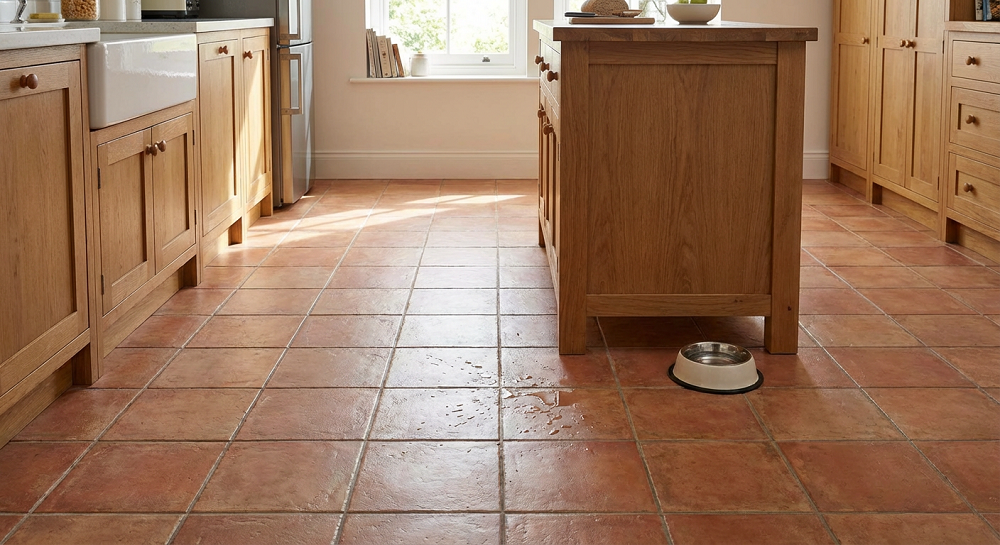
Price Range: $1.50 – $6 per square foot
Ceramic tile is a proven, long-lasting option for kitchens, bathrooms, and entryways where water is a daily reality. With a lifespan that stretches past 25 years, it's a true long-haul investment for high-traffic wet zones.
Where It Works Best - Any room that regularly deals with splashes, spills, and moisture is a prime candidate for ceramic tile. It offers a durable, easy-to-clean surface and is available in a broad spectrum of sizes, colors, and patterns.
What to Watch For - Most ceramic tiles are rated using the PEI scale, look for PEI 3 or higher to handle dropped pots, rolling chairs, and heavy foot traffic. Installation is more involved than vinyl or laminate: tiles typically need a solid backer board and thin-set mortar to prevent cracking, plus careful grouting for a watertight seal.
Grout maintenance is the main trade-off. Sealing every two to three years keeps stains and mildew under control. Skip a round, and cleaning becomes a real chore. For homeowners willing to stay on top of grout care, ceramic tile delivers decades of reliable performance at a modest cost.
9. Stained and Polished Concrete
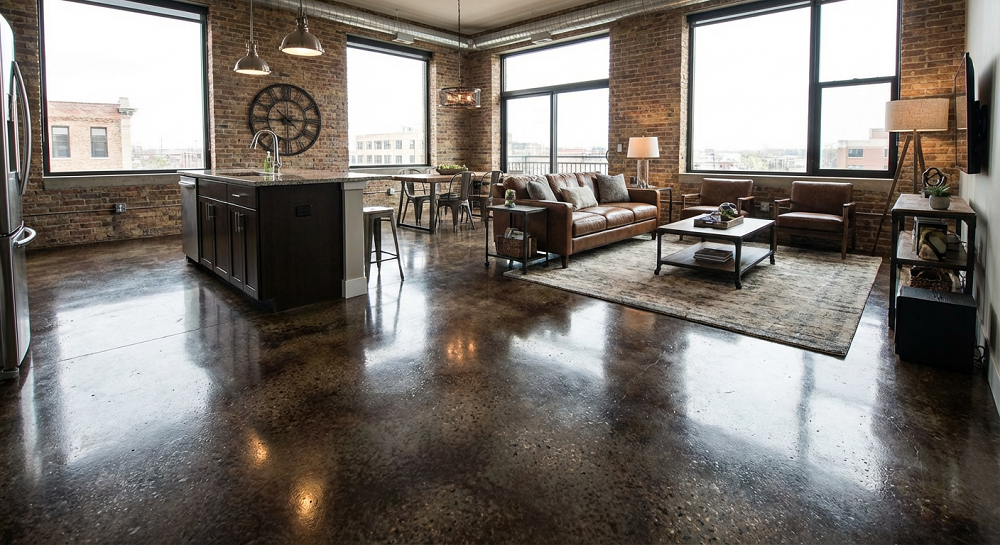
Price Range: $2 – $6 per square foot
If your home sits on a concrete slab, you may already have a floor waiting to be transformed. Staining and polishing concrete turns a raw surface into a sleek, industrial-style floor that handles water, pets, and heavy foot traffic with ease. There's no need to buy new material when you can upgrade what's already there.
Where It Works Best - This approach is a natural fit for basements, garages, mudrooms, and open-plan living areas. It's particularly popular in modern and industrial-style interiors.
What to Watch For - The process begins with a moisture test to confirm vapor emissions are within acceptable limits. Renting a grinder runs about $50 per day, and most stains and sealers can be applied over a single weekend. Expect a lifespan of 20 years or more with basic dust mopping and a reseal every five years.
The only real downside is comfort; concrete feels cold and hard underfoot, so it's best reserved for rooms where coziness isn't the top priority. Area rugs can help soften the experience. For sheer durability on a budget, stained and polished concrete is extremely hard to beat.
10. Engineered Hardwood
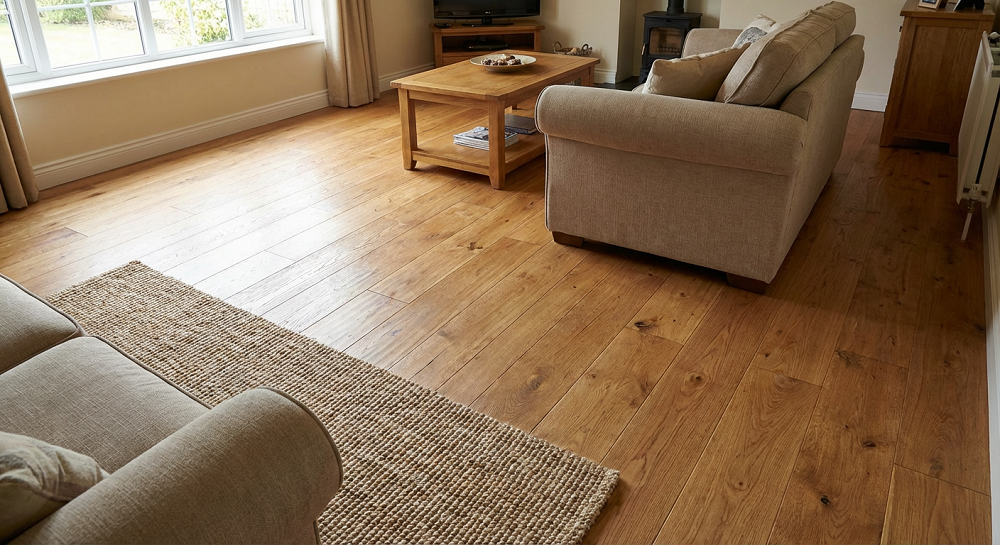
Price Range: $3 – $8 per square foot
Engineered hardwood gives you the look, feel, and warmth of genuine wood without the full cost of solid planks. It's built from a thin layer of real hardwood bonded to a stable plywood base, which provides improved resistance to moisture and temperature changes compared to solid wood. Unlike laminate or vinyl, this is actual wood underfoot, and it can add to your home's resale value.
Where It Works Best - Engineered hardwood is ideal for bedrooms, hallways, living rooms, and dining areas. It pairs beautifully with nearly any interior style and brings a sense of natural character that synthetic floors struggle to replicate.
Choosing the Right Finish - Look for pre-finished options, products that come already lacquered or brushed and lacquered. This will cut down on labor costs and avoid the risk of a poor on-site finishing job with footprints or debris trapped in the surface. Pay attention to color tones as well. Most types of wood turn yellow or orange over time, especially without proper sealing. Choose a floor with cream and brown undertones rather than orange-leaning tones, and it will pair more naturally with other wood finishes in your home. French Oak, for example, is known to be less prone to yellowing.
What to Watch For - Engineered hardwood must acclimate in your home for 48 to 72 hours before installation, or you risk buckling and voiding the warranty. Budget options often have a thinner veneer, which limits how many times you can refinish the surface. Engineered wood is also typically thicker than other floor types, so check that floor levels will match at room transitions to avoid an awkward step at the threshold.
With a lifespan of 20 to 30 years, engineered hardwood delivers authentic warmth and character. Just keep it away from basements and bathrooms, where moisture levels are too high.
Modern budget flooring offers more variety and quality than ever before. From peel-and-stick tiles that cost under a dollar per square foot to engineered hardwood that brings genuine wood character at a manageable price, there's a solution for every room, every household, and every budget.
The best approach is to match your flooring choice to the demands of each specific room. Waterproof options like LVP, LVT, and ceramic tile belong in kitchens and bathrooms. Laminate and engineered hardwood shine in dry living areas. Carpet tiles and cork deliver comfort where softness underfoot matters most. And if you're sitting on a concrete slab, you might already have a floor worth transforming.
Whatever your budget, the right floor is one that fits your daily life, not just your wallet.