
NEWS TAG
brand
Best Moisture Barrier for Concrete Floor 2026
Concrete floors might look solid and impenetrable, but moisture vapor can travel upward through the slab and wreak havoc on your flooring system. If you're planning to install epoxy, laminate, hardwood, or vinyl over concrete, choosing the right moisture barrier should be one of your first steps. Here we are going to talk about how moisture barriers work, how to test your concrete slab, and which products perform best in 2026.
What Is a Moisture Barrier for Concrete Floor?
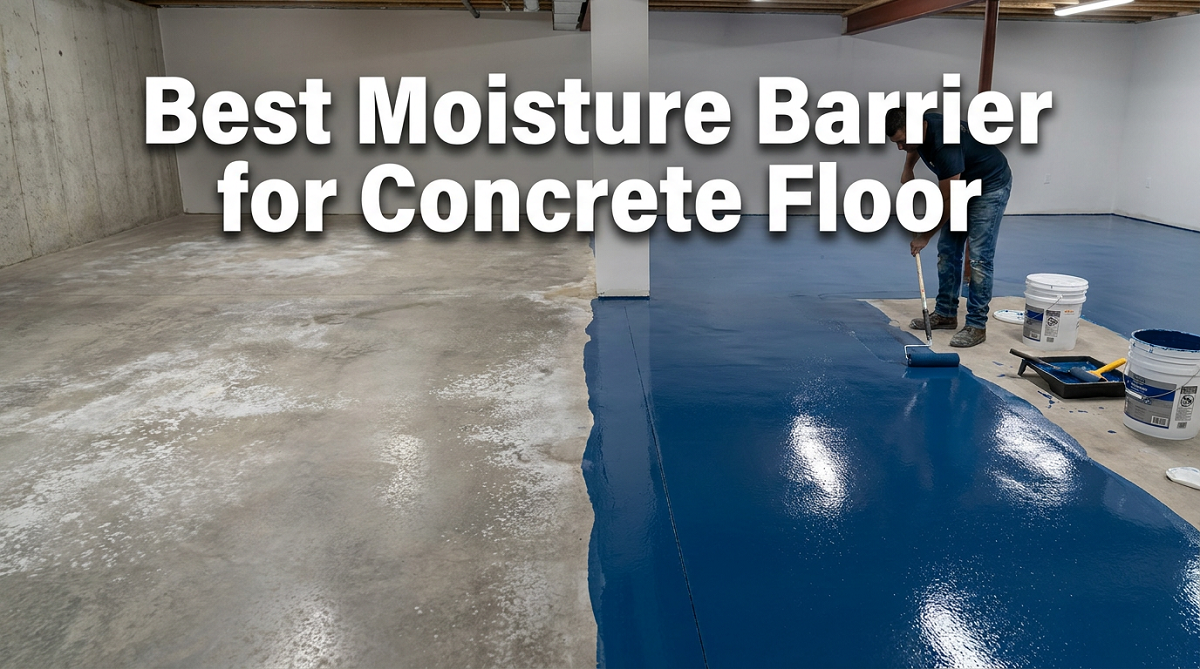
A moisture barrier (also called a vapor barrier) is a material applied over or beneath a concrete slab to prevent water vapor from rising through the concrete and damaging the flooring above it. When moisture migrates upward through concrete — a process known as moisture vapor transmission — it can cause epoxy coatings to bubble and peel, laminate flooring to warp, and mold to develop beneath the surface. Moisture barriers come in different forms: sheet membranes, liquid-applied coatings, and underlayment products with built-in vapor protection.
Below, you'll find a rundown of the top moisture barrier products for concrete floors in 2026, along with guidance on testing your slab and choosing the right solution for your project.
Why Your Concrete Floor Needs a Moisture Barrier
Moisture Travels Upward Through Concrete
Many homeowners assume a solid concrete slab keeps water out. In reality, ground moisture can wick up through the porous concrete and reach the surface. Newer construction often includes a vapor barrier beneath the slab (usually placed over the gravel base before pouring), but older homes frequently lack this protection.
What Happens Without One
Without a proper moisture barrier, epoxy coatings will bubble and delaminate. Laminate and hardwood floors can swell, buckle, or develop mold underneath. Adhesives lose their bond. The damage often goes unnoticed until it becomes costly to repair.
When a Moisture Barrier Is Not Needed
If your concrete slab already has a sub-slab vapor barrier installed during construction and your moisture readings are consistently low (below 5%), you may be able to skip a topside barrier. However, testing is always recommended before committing to any flooring system.
How to Test Your Concrete Floor for Moisture
Use a Moisture Meter
A pin-type or pinless moisture meter designed for concrete can give you a quick reading of the moisture content in your slab. Devices like the GhostDoor meter read both humidity in the air and moisture levels within the concrete itself. These meters typically cost between $800 and $1,000, though borrowing one for a DIY project is a practical option.
Acceptable Moisture Levels
Readings at or below 5% are generally safe for applying epoxy or installing flooring directly. Once you hit around 7%, a moisture barrier becomes necessary. Anything substantially higher than 7% indicates a more serious water intrusion problem that needs to be addressed before any flooring work begins.
Test Multiple Locations
Don't rely on a single reading. Check several areas of the floor, including near bathrooms, exterior walls, and any spots where water issues might be more common. Moisture levels can vary from one section of the slab to another.
Top 5 Best Moisture Barriers for Concrete Floor in 2026
1. Floor Lot 200 Sq Ft 3mm Underlayment - Best Overall
Floor Lot offers an easy-to-install underlayment with a built-in vapor barrier that provides superior moisture protection. The 3mm thickness helps smooth out minor subfloor imperfections and reduces the hollow sound that laminate floating floors often produce.
Key features:
Works with laminate, hardwood, bamboo, and vinyl plank flooring
Available in Blue, Blue Max, and Gold versions
Built-in adhesive strips with 4-inch overlap for gap-free installation
Effective moisture-wicking capability
200 square feet of coverage per roll
This product earns the top spot for its combination of broad compatibility, reliable vapor protection, and simple installation process.
2. Roberts First Step — 630 Sq Ft Coverage
Roberts First Step is a multi-layer underlayment that delivers protection, comfort, and sound dampening in one product. It's thick enough to correct small imperfections in the subfloor and fill minor inconsistencies at the seams.
Key features:
Integrated vapor barrier for moisture protection
Large adhesive strip allows for a secure 4-inch overlap with no gaps
Effective sound barrier, suitable for upper-level floors
630 square feet per roll, reducing the number of seams needed
Works well as an all-around underlayment for laminate flooring
The generous coverage per roll makes Roberts First Step a time-saving choice for larger rooms and open floor plans.
3. MP Global Products Quiet Walk
Quiet Walk stands out for its superior sound reduction properties combined with solid moisture management. Made from dense fiber material, it resists compression even under heavy and consistent foot traffic.
Key features:
Dense fiber construction allows the underlayment to breathe while blocking harmful moisture
Non-VOC certified, made from non-off-gassing materials
Approved for use with radiant heat systems
Compatible with laminate, wood, and luxury vinyl tiles and planks
One of the best options for laminate installed directly over concrete
The fiber-based design makes Quiet Walk particularly well-suited for concrete subfloors where some breathability is preferred alongside moisture protection.
4. Floor Lot Gold 200 Sq Ft 3mm Underlayment
The Gold version of Floor Lot's underlayment uses a three-layer construction to provide protection, comfort, and sound absorption all in one product. The 3mm thick layer adds cushioning underfoot while helping to level uneven sections and seams in the subfloor.
Key features:
Three-layer construction for combined moisture, sound, and thermal benefits
Provides good insulation, keeping floors warmer in winter
Built-in vapor barrier handles moisture-prone areas
Ideal for upper floors, apartments, and condos where sound transfer is a concern
Comfortable underfoot with effective cushioning
If you need a single underlayment that handles noise, comfort, and moisture simultaneously, the Gold version delivers on all three fronts.
5. Roberts Serenity - Budget-Friendly Option
Roberts Serenity uses a 2.4mm polyethylene foam that adds cushioning and smooths out minor subfloor imperfections. It comes in 100 square foot rolls and works well for homeowners looking for an affordable option.
Key features:
2.4mm polyethylene foam provides cushioning and levels minor imperfections
Compatible with radiant heated floors
Works with concrete floors when paired with a separate vapor barrier
Nicely priced compared to premium options
Allows for even laminate flooring installation
Keep in mind that Roberts Serenity does not include built-in adhesive strips or an integrated vapor barrier. You'll need a separate moisture barrier if installing over concrete, which adds an extra step to the process.
Liquid-Applied Moisture Barriers: An Alternative Solution
How Liquid Barriers Work
Instead of rolling out sheet-style vapor barriers, some installers prefer liquid-applied coatings that are brushed or troweled directly onto the concrete. Products like Blue Seal create a seamless waterproof membrane that bonds directly to the slab surface.
Application Process
Start by brushing the product liberally along the base of walls and around the perimeter, embedding fiberglass mesh tape (boat repair tape, not drywall tape) into the wet material for reinforcement. Then prime the main floor area with a thin rolled coat to help the material adhere to the cement.
Troweling the Floor
Use a 1/16-inch notched trowel to apply an even coat across the entire floor. The notch depth of the trowel sets your material thickness automatically. Let the first coat dry overnight, then go over the surface with a flat trowel to fill in the grooves and create a smooth, sealed surface.
Why Some Installers Prefer Liquid Barriers
Liquid-applied membranes form a continuous bond with the concrete, leaving no seams or gaps for moisture to pass through. They also tuck neatly into corners and around wall plates, creating a more thorough seal than sheet barriers in many situations. The material remains slightly tacky for a few days but works fine beneath underlayment and engineered flooring.
How to Choose the Right Moisture Barrier for Your Project
Consider Your Flooring Type
Laminate, hardwood, vinyl plank, and epoxy coatings all have different moisture tolerance levels. Sheet underlayments with built-in vapor barriers work well for floating floors. Liquid-applied barriers are better suited for epoxy installations or situations where a seamless seal is needed.
Check Your Moisture Readings First
If your readings fall below 5%, a basic underlayment with a built-in vapor barrier may be all you need. Readings between 5% and 7% call for a dedicated moisture barrier product. Anything above 7% requires you to address the underlying water issue before installing flooring.
Think About Additional Benefits
Many moisture barriers also provide sound dampening, thermal insulation, and subfloor leveling. If you live in an apartment or multi-story home, a product that handles both moisture and noise (like Quiet Walk or Floor Lot Gold) gives you more value from a single layer.
Budget vs. Performance
Products like Roberts Serenity save money upfront but require a separate vapor barrier for concrete applications. Investing in a product with integrated moisture protection often reduces installation time and minimizes the chance of failure down the road.
Protecting your flooring investment from moisture starts with testing your concrete slab and selecting a barrier product that matches your specific conditions. For most homeowners installing laminate or vinyl over concrete, the Floor Lot 200 Sq Ft 3mm underlayment offers the best balance of moisture protection, ease of installation, and flooring compatibility. Those dealing with higher moisture levels or epoxy applications should consider liquid-applied membranes for a more complete seal. Whatever product you choose, skipping the moisture barrier step is a gamble that rarely pays off.