
NEWS TAG
brand
Red Oak vs White Oak Flooring: Differences, Pros & Cons, Which Is Better?
Choosing hardwood flooring is a decision that can shape the entire feel of your home. Among the many options available, red oak and white oak remain two of the most popular and enduring species. Both offer unique looks, advantages, and considerations. In this guide, we’ll compare red oak and white oak flooring across various aspects: appearance, durability, cost, and application, to help you decide which is right for your next project.
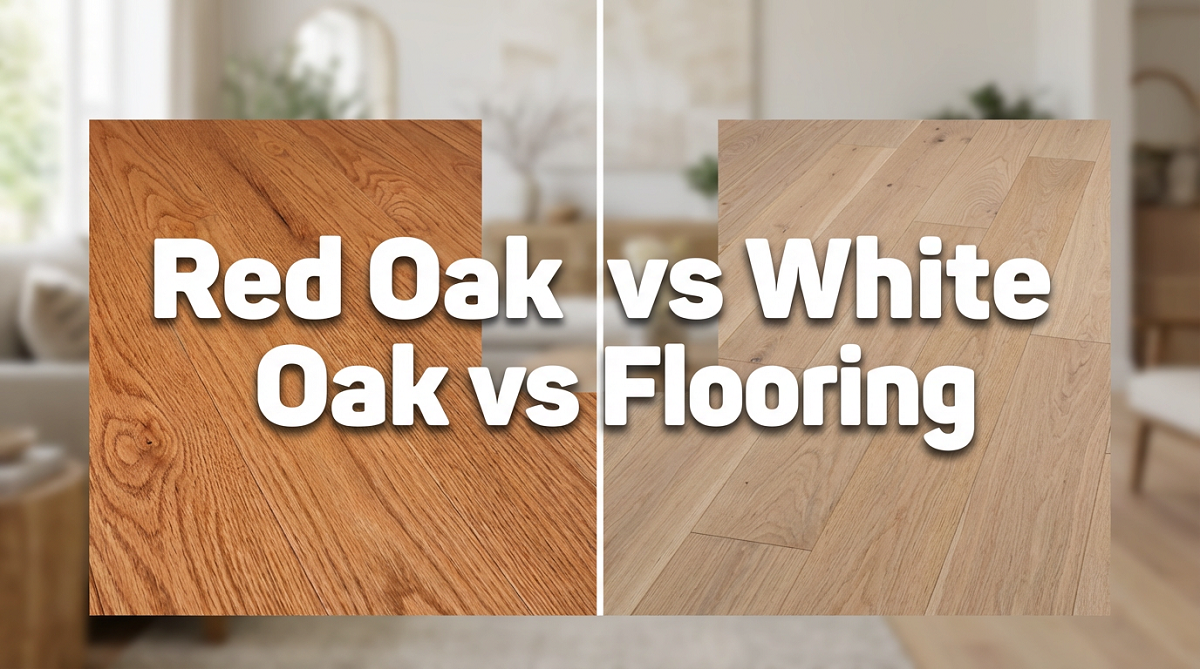
Red Oak and White Oak Hardwood Flooring
Oak wood flooring is a favorite in North America due to its wide availability, affordable pricing, and ability to fit into nearly any interior style. Both red oak and white oak are harvested across the eastern United States, and while they share the same genus, each brings something different to the table.
These hardwoods can be found in solid planks, engineered boards, and parquet patterns. Solid oak floors are crafted from single pieces of wood, prized for their authenticity and longevity. Engineered oak planks feature a veneer of oak bonded to layers of plywood or fiberboard for greater stability, especially in moisture-prone areas. Parquet oak floors, meanwhile, use small wood pieces to create eye-catching designs.
The versatility of oak also extends to finishes and stains; both red and white oak can be customized to achieve a range of colors and styles. However, their natural differences in color, grain, and properties often influence the final look and performance.
What is Red Oak Flooring?
Red oak is one of the most common hardwood flooring choices throughout the United States, especially in homes constructed during the early 2000s. The tree itself is prevalent across the eastern U.S., with variations in color and grain depending on where it’s grown. For instance, red oak from northern regions tends to be lighter with less pink, while southern red oak often appears redder and darker, featuring increased grain variation.
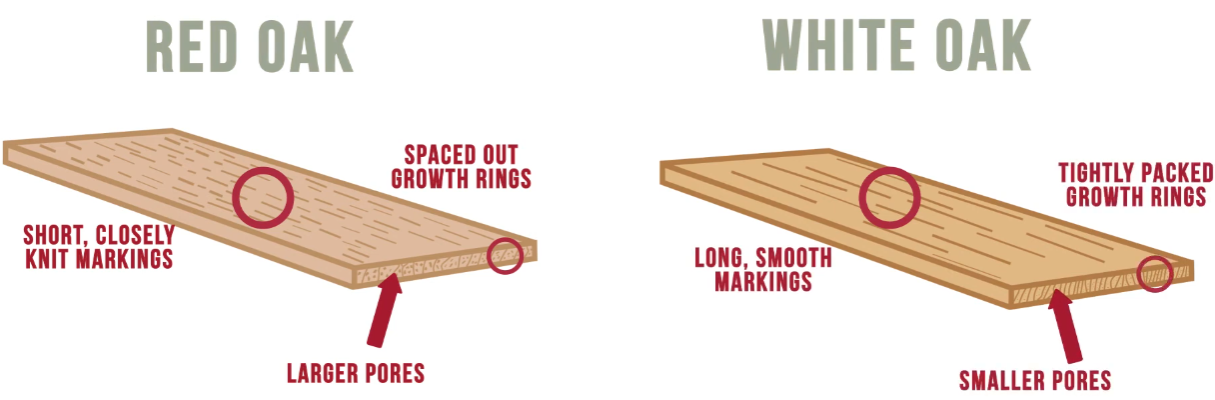
Red oak floors are known for their distinctive grain patterns, characterized by cathedral-like arches that alternate between light and dark. This grain pattern is not just an aesthetic feature—it also aligns with the wood’s variable hardness, which can affect how the floor wears over time.
Red Oak Flooring Pros & Cons
Pros:
Affordability: Red oak is generally less expensive than most other hardwoods, making it a budget-friendly choice for large spaces or rental properties.
Availability: As the most common hardwood in the U.S., red oak is easy to source, even in various grades and widths.
Stainability: Red oak readily accepts stains, allowing homeowners to achieve a wide range of colors and finishes.
Durability: With a Janka hardness rating of 1290, red oak is durable enough for most residential settings and is considered the standard for comparing other hardwoods.
Cons:
Color Undertones: Even when stained, red oak can reveal its characteristic reddish or pinkish hues, making certain modern, lighter finishes harder to achieve.
Movement: Red oak’s reaction to moisture is average, meaning it’s safe for solid planks up to about six inches wide; wider planks may be prone to movement in changing humidity.
Grain Variation: The prominent grain and color variation may appear too rustic for some contemporary tastes.
Red Oak Flooring Cost
Narrow widths of red oak flooring can typically be found in the $3 to $4 per square foot range from reputable mills, with wider planks fetching slightly higher prices. For those on a tight budget, lower-grade red oak can be acquired for as little as $2 per square foot, making it an excellent choice for affordable renovations or rental properties.
Red Oak Flooring Application
Red oak’s durability and stainability make it suitable for a variety of spaces, from living rooms and hallways to bedrooms and rental units. Its widespread use also means that matching existing red oak floors, stair treads, and trim is straightforward, which is particularly beneficial when expanding or renovating older homes.
What is White Oak Flooring?
White oak has surged in popularity in recent years, favored for its refined appearance and versatility. Grown both in the U.S. and Europe, white oak exhibits some regional differences in look and character. European variants, like French oak, are often cut in a live-sawn manner, adding to their unique visual appeal.
White oak floors display a more subdued, straight grain compared to red oak, with tones ranging from creamy beige to darker brown and yellow. This neutral palette makes white oak an appealing choice for modern and traditional interiors alike.
White Oak Flooring Pros & Cons
Pros:
Hardness and Durability: White oak is slightly harder than red oak, with a Janka rating of 1360. This makes it slightly more resistant to scratches and dents.
Water Resistance: Thanks to its closed-grain structure filled with tyloses, white oak is more resistant to water, rot, and decay, making it suitable for areas exposed to moisture.
Versatility: White oak’s neutral tones and subtle grain make it adaptable to a variety of stains and finishes, from rich dark browns to airy, light washes.
Stability: Quarter-sawn white oak is particularly stable, making it ideal for wider planks and high-traffic areas.
Cons:
Tannin Content: White oak contains tannins that can react with water-based finishes, sometimes leading to yellow or brown streaks, especially with light stains.
Cost: White oak is typically more expensive than red oak, especially for wider planks, partly due to higher demand and the use of white oak in industries like wine and whiskey barrel production.
Limited Color Variation: While many see its uniformity as a benefit, those looking for dramatic grain and color variation may find white oak a bit subdued.
White Oak Flooring Cost
Narrow white oak planks usually range from $4 to $5 per square foot, with wider boards commanding $5, $6, or even $7 and up. This price difference is not vast, but it is noticeable, especially for larger projects or premium grades. The increased cost is partly due to the popularity and specific growth patterns of white oak.
White Oak Flooring Application
White oak is a go-to choice for homeowners seeking a timeless yet modern look. Its resistance to moisture makes it an excellent pick for kitchens, entryways, and even bathrooms (with proper sealing). White oak’s refined appearance is often sought after in high-end homes and is especially popular for wide-plank and quarter-sawn installations.
Red Oak vs White Oak Flooring: What are the Differences?
While both red oak and white oak are excellent hardwood flooring options, several distinctions set them apart:
Color: Red oak has a peachy or pinkish cast and often appears lighter, while white oak features darker, browner, or yellow tones.
Grain: Red oak displays more pronounced, cathedral-like grain, offering a rustic or traditional look. White oak has a straighter, smoother grain for a more polished and contemporary feel.
Hardness: White oak is slightly harder than red oak, making it a touch more durable for heavy-traffic areas.
Water Resistance: White oak’s closed-grain structure makes it more resistant to water and rot. This makes it a preferred choice for spaces exposed to moisture.
Stain Results: Both are easy to stain, but red oak’s underlying pinkish tones can show through on lighter stains, whereas white oak provides a more neutral starting point.
Cost and Availability: Red oak is typically less expensive and easier to source, especially in narrow widths. White oak commands a premium, particularly for wider planks and quarter-sawn cuts.
Matching Existing Woodwork: Red oak is commonly used for stair treads and accessories, making it easier to match if your home already features red oak elements.
Here’s a clear table showing the main differences between Red Oak and White Oak flooring, based on the information from your provided texts:
| Feature | Red Oak Flooring | White Oak Flooring |
|---|---|---|
| Color | Slightly peachier, blonde, pinkish or reddish undertones; lighter overall. | Sier blonde, sandy, darker brown or yellowish tones; more neutral and subdued. |
| Grain Pattern | Pronounced, cathedral-like, with visible variation; more rustic and traditional. | Straighter, smoother, more uniform; offers a polished, refined, and contemporary look. |
| Hardness | Janka rating approx. 1290; slightly softer but still very durable for homes. | Janka rating approx. 1360; harder and more resistant to dents and wear. |
| Water Resistance | Average resistance; open-grain structure absorbs more moisture. | More resistant due to closed-grain structure with tyloses; better for areas exposed to moisture. |
| Stainability | Very easy to stain any color, but reddish tones often show through, especially with lighter stains. | Stains well to a variety of tones; takes white, gray, and dark stains more evenly and predictably. |
| Cost | Usually less expensive; narrow planks as low as $2–$4/sq ft, wider ones slightly more. | Generally higher cost, especially for wider planks; typically $4–$7+/sq ft. |
| Availability | Most common hardwood in the U.S.; easy to source in various grades and widths. | Widely available but higher demand for select styles/grades can affect price and availability. |
| Application | Traditional homes, renovations, matching existing red oak trim or stairs; rental properties. | Modern and high-end homes, kitchens, entryways, wide/quarter-sawn planks, moisture-prone areas. |
| Durability | Very durable; average movement with humidity. | Equally durable; stable, especially as quarter-sawn; similar movement to red oak under moisture. |
| Finish Preference | Often stained to mimic white oak or to achieve various colors. | Often left natural or whitewashed for unique, cool undertones; prized for its specific natural look. |
| Other Notes | More color variation; blends well with existing red oak features. | More predictable in appearance; tannins can react with water-based finishes causing yellowing. |
Red Oak vs White Oak Flooring: Which Should You Choose?
The choice between red oak and white oak flooring ultimately comes down to your individual priorities:
For those seeking an affordable, widely available floor with a classic, pronounced grain: Red oak is an excellent choice. It’s ideal for traditional homes, renovations where matching existing red oak is necessary, or projects with tight budgets.
If your goal is a more modern, neutral look or you need improved water resistance: White oak is a strong contender. Its subtle grain and creamy undertones pair well with contemporary designs, and its durability suits high-traffic or moisture-prone areas.
When matching existing floors: It’s important to stick with the same species, as even with stains, the difference between red and white oak can be noticeable, especially under clear or light finishes.
For wide planks or quarter-sawn installations: White oak is preferred for its greater stability and resilience.
Both red oak and white oak have stood the test of time for good reason. Each offers a combination of durability, beauty, and versatility. Your final decision should reflect the look you desire, the practical needs of your space, and your budget. With proper care, either choice will provide decades of performance and style.