
NEWS TAG
brand
Office Flooring & Interior Design Trends 2026
The office in 2026 will overturn the traditional image of the "cubicle" and evolve into a variety of possibilities. The workplace is changing rapidly, reflecting changing work habits, emerging technologies, and heightened employee expectations. As we look towards 2026, offices are transforming from utilitarian spaces into environments that nurture creativity, well-being, and brand identity. Flooring and interior design choices play a central role in this transformation, balancing function, comfort, and aesthetics to create workspaces that people genuinely enjoy.
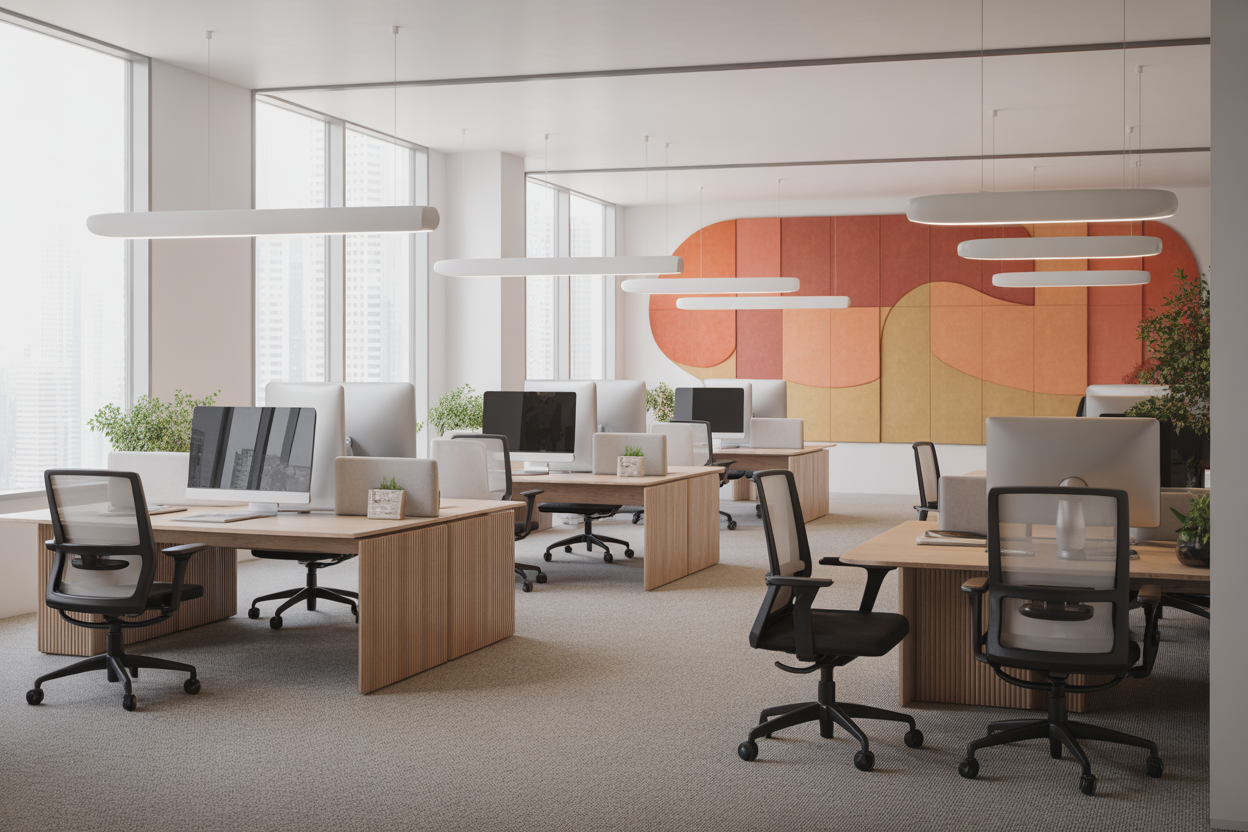
Office Design Trends 2026
In 2026, the classic "cubicle" is giving way to a diverse array of office possibilities. Workspaces may now resemble smart pods that adjust with a click, eco-friendly zones lush with greenery, or creative hubs that feel like home. This shift is powered by social change and advancing technology. Employees now view healthy and inspiring work environments as a necessity, and Generation Z is leading the call for spaces that support both wellness and personal expression. As AI and IoT mature, offices are becoming more personalized, and companies recognize the value of their environments in attracting talent and fueling innovation.
The office is no longer just a place to work; it embodies company culture, supports well-being, and becomes a showcase for brand identity. Office design in 2026 will focus on five directions: flexibility, natural light and greenery, smart technology, collaborative and human-centric zones, and spaces that showcase creativity and brand culture.
Top 10 Office Flooring Trends 2026
Selecting the right flooring is foundational for any office. In 2026, flooring choices are driven by durability, sustainability, and the ability to adapt to changing office layouts. Here are the leading trends:
1. Commercial Carpet Tiles
Carpet tiles excel at creating cozy, quiet work environments. Available in an array of patterns and colors, they enable creative floor designs and are easy to maintain. If a section is damaged, replacing a single tile is simple, minimizing disruption and cost. Among the commercial carpet tile options, Milliken Commercial Carpets are gaining attention for their blend of sustainability, design, and comfort. With collections like Boundaries, Building Blocks 2.0, and Nature Supply, Milliken carpets offer exceptional flexibility in pattern and color, supporting ergonomic comfort and even contributing to healthier indoor environments thanks to their WellBAC® cushion backing. These carpets are designed with a high percentage of recycled content, are fully recyclable, and help organizations meet green building certifications such as LEED and WELL. Milliken’s innovative flooring is trusted by global brands including Google, Microsoft, and Hilton Hotels, for projects that demand both performance and style.
2. Raised Access Floors
Raised access flooring is becoming a mainstay in modern office buildings, thanks to its flexible structural design and rich functionality. These floors consist of panels, adjustable supports, and beams, forming a stable system that allows for easy integration of wiring and technology. This adaptability is especially valuable in spaces that frequently update their layouts or technology infrastructure. Offices are increasingly turning to the HUIYA OA Raised Floor System as the complexity of office automation and network infrastructure grows. This all-steel floor system is engineered for efficient cable management, enabling tidy, well-organized, and clutter-free office environments. The OA floor is constructed from high-quality alloy cold-rolled steel with an electrostatic spray finish for durability, wear-resistance, and ease of maintenance. Its modular construction allows for flexible assembly, convenient maintenance, and high reusability. The system is especially suited for intelligent office buildings, banks, and government facilities, providing a future-ready solution that adapts to rapid changes in technology and workspace needs.
3. Luxury Vinyl Plank (LVP)
LVP remains a top choice for offices. Its durability and versatility make it ideal for high-traffic areas, and it offers the look of hardwood with easier upkeep. With a wide range of colors and styles, LVP can coordinate with nearly any office décor, enhancing both functionality and style.
4. Polished Concrete
For a sleek, contemporary look, polished concrete is gaining popularity. Its durability and low maintenance make it suitable for high-traffic zones, while its industrial modern vibe aligns with forward-thinking office aesthetics. Customization is also possible through colored stains or glossy finishes.
5. Engineered Hardwood
Engineered hardwood brings the warmth and sophistication of natural wood while offering improved stability. It handles fluctuations in humidity and temperature, maintaining its appearance in dynamic office environments and adding an elegant touch to professional settings.
6. Eco-Friendly Options
Sustainability is a priority for many companies. Bamboo flooring is valued for its short regeneration cycle and durability, while cork offers a renewable, comfortable option. Both materials support environmental goals and create a welcoming atmosphere.
7. Commercial Flooring Recommendations
For commercial settings, flooring that can be installed directly onto well-prepared subfloors, such as glue-down vinyl, carpet, or tile, is recommended. These materials make it possible to repair damaged sections individually, ensuring longevity and cost efficiency.
Top 10 Office Interior Design Trends 2026
Interior design in 2026 is about more than aesthetics—it's about crafting spaces that foster well-being, creativity, and a sense of belonging. Several overarching themes define the coming year:
1. New Neutrals and Color
Neutral palettes are being redefined. Instead of just beige and white, deep greens, rich browns, mustard yellows, and ochre tones are emerging as new "neutrals." Paint companies and designers are moving away from cool grays, embracing warmer, more complex hues that ground a space and pair beautifully with varied wood tones and metallic accents. Sherwin Williams’ “universal khaki” exemplifies this shift, offering a more engaging backdrop for the modern office.
2. Rustic Modern Fusion
The rustic modern trend brings together organic textures with sculptural, contemporary furniture. Raw wood, leathered stone, and rough-hewn surfaces are paired with clean lines and modern silhouettes. This approach bridges comfort and sophistication, making offices feel welcoming and lived-in while also polished.
3. Statement and Sculptural Furniture
Oversized and sculptural furniture is set to take center stage in 2026. Large, rounded sofas and sculptural chairs transform functional items into focal points. These bold shapes soften the overall look and create inviting, dynamic environments. Rounded edges and arched doorways are also being incorporated to make spaces feel more relaxed and approachable.
4. Bold Monochrome Interiors
Monochromatic rooms are making a comeback, but with a twist. Instead of bland uniformity, designers are layering shades and textures within a single color family—think deep navy velvet sofas with powder blue curtains and steel blue accents. This approach creates dramatic, cohesive interiors that never feel flat.
5. Electric Saturation
For those looking to make a dramatic statement, electrifying colors like electric blue, lime green, and hot pink are appearing in everything from cabinetry to furniture. These bold hues are being paired with neutral and natural tones for balance, reflecting a move towards personality-driven, maximalist design.
6. Smart Technology Integration
Smart offices are now the norm for tech-forward companies. Features like full-scene intelligent systems allow lighting, temperature, and even curtains to be adjusted via apps or voice control. Modular furniture enables quick reconfiguration for collaboration or focused work, and VR meeting rooms allow immersive remote communication. Technology is seamlessly woven into the design, boosting both efficiency and flexibility.
7. Biophilic and Green Design
Green offices maximize natural light with floor-to-ceiling windows and adjustable blinds, reducing reliance on artificial lighting. Vertical plant walls and aerial flower racks not only beautify the space but also improve air quality, alleviate visual fatigue, and foster well-being. Preferred materials include sustainable options like bamboo and diatomaceous earth, which support healthy environments and reduce pollution at its source.
8. Creative Expression and Brand Personality
Modern offices are designed to showcase brand culture and values. Color becomes a tool for emotional connection, with vibrant schemes for innovative brands and subdued palettes for more traditional companies. Unique art installations and displays of proprietary technology reinforce brand identity. Layouts are open and collaborative or private and focused, according to team needs, promoting both transparency and concentration.
9. Thoughtful Ergonomics and Amenities
The employee experience is central. Adjustable desks, ergonomic chairs, and computer stands reduce strain. Recreation areas with nap pods, mini gyms, and relaxation corners support well-being. Thoughtful touches like umbrella stands, quality coffee, and stress-relief corners demonstrate genuine care for staff.
10. Hybrid and Flexible Spaces
Hybrid offices combine multiple styles and functions, offering quiet focus zones, collaborative areas, ecological relaxation spaces, and smart meeting rooms all within a harmonious design. Flexibility is key: spaces can be adapted for new teams or changing needs, ensuring longevity and relevance.